Der Künstler auf dem Berg

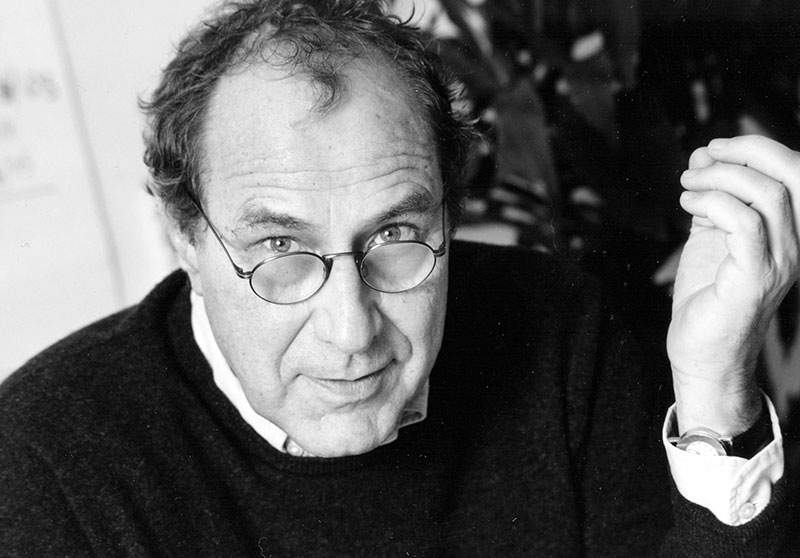
Quelle: Veröffentlicht by Meinen, Suhrkamp Verlag
Schriftsteller, Poet und Verleger Michael Krüger
Im längsten Teil der Zivilisationsgeschichte hatten der Künstler und der Philosoph nichts auf dem Berg verloren. Ganz oben wurden Götter vermutet, denen man während der Planung der Welt tunlichst nicht zu nahe kommen sollte, und wenn es nicht veritable Götter waren, dann eben Geister, die Unheil über den Menschen brachten. Weiter unten gab es in der Nähe von Quellen gelegentlich Nypmphen und Gnome, die aber auch selten Gutes im Sinne hatten. Die gesamte Natur war seit dem Altertum etwas, das man bestenfalls als Gegenstand der Nutzung ansah und somit den Forschern überliess – Plinius ist das beste Beispiel. Bekannt ist die Aussage des Sokrates gegenüber Platon:“Halte es mir zugute, mein Lieber, denn ich bin darauf aus, das Wahre zu lernen, doch Felder und Bäume wollen mich nichts lehren, wohl aber die Menschen, die in der Stadt wohnen.“ Das heisst: Athen war das Zentrum des Wissens und der produktiven Auseinandersetzung, aber auch der Künste, später Rom, dann Florenz und Venedig und so fort, wie die Geschichte der Zivilisation es erzählt: hier spielte im tatsächlichen wie im metaphorischen Sinne die Musik.
Und dann kam der 26.April 1335, als sich der Schriftsteller Francesco Petrarca, den es während des Schismas nach Avignon verschlagen hatte und der in einem kleinen Haus am Ufer der Sorgue lebte, entschloss, mit seinem Bruder den Mont Ventoux zu besteigen. Jeder kennt dieses Monstrum von einem Berg aus dem Fernsehen, wenn einmal im Jahr die armen Radfahrer der Tour de France sich abmühen, im hellen Sonnenlicht die kahlen Hänge hinaufzustrampeln – aber zu Zeiten der Renaissance war der Berg nicht kahl, sondern von einer dichten Macchia bewachsen: überall furchtbare Brombeerranken und Stachelgewächse, und weit und breit kein Pfad zu sehen, der ihnen den Aufstieg erleichtert hätte. Kein Wunder, dass der Inhalt des Briefes, den Petrarca gleich nach dem Abstieg als Bericht an einen seiner Gönner diktiert hat und der in die Weltgeschichte eingegangen ist, bezweifelt haben: es ist damals für einen allein unmöglich gewesen, den Berg zu besteigen! Wie immer die Wahrheit aussieht, der Bericht vom Aufstieg auf den Mont Ventoux hat unser westliches Verhältnis zur Natur entscheidend geändert. Zum ersten Mal ist Landschaft als ästhetisches Phänomen betrachtet worden. Von da ab gab es eben nicht nur die sich rasch entwickelnden Naturwissenschaften und in deren Gefolge die Nutzung und Ausbeutung der Natur, sondern eben auch die Naturbetrachtung, die Bilder der Natur und die Versenkung in sie – eine Bewegung sondergleichen in allen ästhetischen Formen, die – Gott sei es gedankt – bis heute nicht verstummt ist: ohne diese permanente Vergegenwärtigung der Natur wären wir eindimensionale Wesen geblieben, keiner Rede wert.
Alpspitze & Zugspitze: Alpine Wahrzeichen ragen vor der spektakulären Kulisse von Schloss Elmau empor.
Quelle: Timo Maier
Heute, siebenhundert Jahre nach Petrarca, schauen wir mit Bangen auf den Zustand der Natur, die sich dem Menschen der Renaissance auf so unerhört schöne Weise gezeigt hat: die Flüsse und die Bergrücken, die Berge und die grünen Ebenen, ein Ensemble von Elementen, die er vorher nie zusammen gesehen hat. Heute fragt man sich, wie der Mensch, die Humanität, vor der immer weiter ausgreifenden Zivilisation gerettet werden kann.Bis zum 19. Jahrhundert war Zukunft mit der Idee der Stadt verknüpft: Paris war die Hauptstadt des 19. Jahrhunderts, von London gingen die entscheidenden Impulse aus, Madrid war das Zentrum eines sich über mehrere Kontinente ausbreitenden Imperiums – aber im Herzen der großen Städte war schon der Wurm drin, der die Gegengeschichte der Naturbeherrschung angestoßen hat: Zivilisationsmüdigkeit, Stadtflucht, zurück zur Natur.
Und hier kommen die Berge in den Blick, denn sie gehören zu den am schwierigsten zu beherrschenden Teilen der Natur. Die großen Opern, die komplexen Romane oder die moderne Kunst werden in der Hauptsache wohl nach wie vor in den städtischen Studios produziert und gezeigt, aber sie müssen sich in ein Verhältnis zur Natur setzen, um einer Gesellschaft als glaubwürdig präsentiert werden zu können.
Also – wenigstens zeitweise – zurück auf den Berg, um noch ein letztes Mal den Blick schweifen, die Seele sich erneuern zu lassen.
Aber bitte nicht darüber sprechen, denn sonst werden es zu viele sein auf dem Berg, und wenn man nicht aufpasst, wird man von einem irren Fahrradfahrer umgefahren.
Das könnte Sie auch interessieren:
- Quelle: Leopold Fiala